What Actually Affects Blood Pressure, Beyond Any Single Supplement
Sodium intake, physical activity, sleep quality and stress levels all measurably affect blood pressure readings — often more than any single supplement can.
Understanding the fuller picture helps set realistic expectations for what nutritional support can and cannot do on its own.
Sodium intake is a major lever
Reducing dietary sodium is one of the most well-documented, low-cost interventions for blood pressure already in an elevated-normal range. The effect size in some studies rivals or exceeds what many supplements claim to achieve.
Regular physical activity
Consistent aerobic activity, even moderate amounts like brisk walking, is associated with measurable reductions in resting blood pressure over weeks to months, working through improved vascular function and reduced arterial stiffness.
Sleep quality and duration
Poor or insufficient sleep is associated with higher blood pressure readings, and untreated sleep apnea specifically is a well-documented contributor to difficult-to-manage blood pressure in some people.
Chronic stress
Ongoing stress keeps the sympathetic nervous system activated, which can contribute to sustained elevations in blood pressure over time. Stress management is a genuine, if often overlooked, lever for cardiovascular wellness.
Alcohol and body weight
Regular heavy alcohol consumption and excess body weight are both independently associated with higher blood pressure, and addressing either is often a larger lever than any single supplement.
Where nutritional support realistically fits
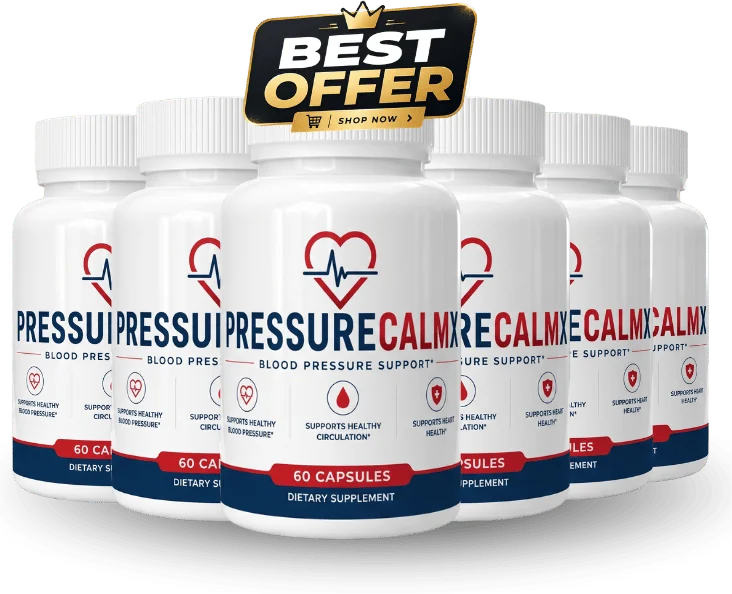
Applying this to PressureCalmX
Formulas like PressureCalmX are designed to supply nutrients relevant to circulation and blood vessel function, genuinely useful additions layered on top of the habits above, not a shortcut around them. If sodium intake, activity or sleep are the actual bottleneck, no supplement, this one included, will fully offset that on its own.